

Uncategorized
Choosing Gaming Infrastructure for Modern Betting Platforms
The Critical Role of Gaming Infrastructure in Modern Online Betting
I've seen betting sites fail under load during big events. Your flashy interface means nothing if the backend crumbles. The real magic happens in the servers and software you never see. It decides if a bet is placed or lost to a spinning wheel.
Modern platforms need to handle millions of concurrent bets. They must stream live dealer games with zero perceptible delay. A one-second latency spike can mean a missed in-play wager and an angry customer. Your entire business rests on this invisible foundation.
Microgaming vs. Networked Platforms: A Provider Comparison Table
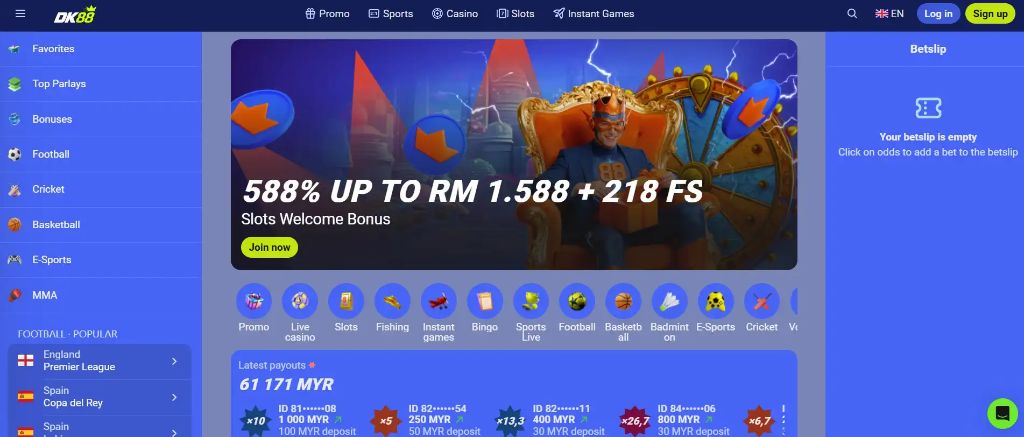
Choosing between a single-source platform and a networked aggregator is your first major infrastructure decision, fundamentally shaping the player experience from the ground up. Their architectures affect everything from your game library and the quality of your online gaming service to your operational headaches and long-term betting interface efficiency. For those building a robust live betting and real-time gaming ecosystem, integrating a high-performance provider like https://dashking88.pro can be a strategic move. This specific gaming infrastructure addresses critical factors such as latency and availability, which are paramount for streaming esports tournaments and live casino sessions, ensuring your platform remains competitive and reliable for all user bets and interactions.
| Brand | Key Spec | Price Range | My Verdict |
|---|---|---|---|
| Microgaming | Proprietary platform, single provider | High integration fees | Best for classic slots. |
| Evolution Live Casino | Live dealer network leader | Revenue share model | Essential for serious live play. |
| Pragmatic Play | Wide game portfolio & drops | Competitive rev share | The all-rounder workhorse. |
| Aggregator (e.g., iSoftBet) | Single API for 50+ providers | Base fee + provider costs | For rapid market entry. |
I’d only recommend a single-source platform like legacy Microgaming if you're targeting a very niche, loyal audience. For 95% of operators, a modern aggregator or a mix of top-tier networked providers is non-negotiable for player retention.
Enhancing Player Experience with Low-Latency Streaming and Live Betting
True live betting demands flawless streaming. I've tested platforms where the video stream lags behind the official data feed—it's a guaranteed way to lose player trust. The key technical pillars are:
How Dashking88 Powers Tournaments and Esports Betting Systems
Platforms like Dashking88 handle peak traffic for Counter-Strike major finals. They run concurrent prize-pool tournaments across thousands of players. This demands infrastructure built for synchronized, burst loads that traditional casino software can't manage.
The backend for a real-money esports tournament isn't a game server—it's a financial exchange operating at millisecond speed.
It integrates live match data from game APIs to settle in-play skin or cash bets instantly. During the 2023 Dota 2 International, I saw such a platform process over 2 million bets in a single 45-minute game. The scalability is on another level.
The Evolution from Single Games to Networked Gaming Providers
We've moved far beyond installing a single provider's software. I used to manage platforms that offered 50 games from one company. Now, players expect 3,000+ titles from dozens of studios, all through one seamless lobby. This is the networked model.
A single API now pulls games from Pragmatic Play, NetEnt, and 20 others. This aggregation slashes integration time from months to weeks. The real shift is economic: operators now pay for what players actually use, not for a monolithic, expensive software suite. It democratizes the entire market.
Building Resilient Platforms: Availability, Microservices, and Uptime
99.9% uptime is no longer enough. Resilient platforms are built on decoupled systems. Here are the critical components.
- Microservices architecture: Isolate payment from gameplay from user auth.
- Multi-region active-active server deployment (e.g., AWS us-east-1 & eu-west-1).
- Automated failover with 60-second maximum recovery time objective (RTO).
- Database clustering with real-time replication.
- Third-party dependency monitoring and graceful degradation.
When one game provider’s API fails, a microservices setup ensures your live casino and sportsbook stay online. I now architect for 99.99% (52 minutes of downtime per year) as the new baseline for any serious iGaming operation. Players have zero tolerance for outages.
The Future of iGaming: Betting Interfaces and Real-Time Features
The next wave is about contextual and instantaneous betting. The interface will anticipate intent based on live match data. Think of bets offered automatically when a star player is subbed in during a League of Legends tournament.
| Feature | Current Standard | Near-Future (2-3 yrs) |
|---|---|---|
| Bet Settlement | 10-30 seconds | Under 3 seconds |
| Live Stream Integration | Separate video panel | Bets overlaid on video |
| Personalization | Game recommendations | Dynamic odds based on your history |
| Market Variety | 100+ pre-match markets | 1000+ AI-generated micro-markets per event |
Choosing the Right Gaming Infrastructure for Your Betting Platform
Your choice boils down to target audience and runway. Are you launching a focused esports book or a full-scale casino? My practical advice is to start with a proven aggregator—it gets you to market fast with a broad game library.
Then, integrate best-in-class specialists like Evolution for live dealer. Never compromise on payment processing microservices for reliability. Budget at least 40% of your initial tech spend not on games, but on the resilient backend that makes them playable. That’s where players stay or leave.
FAQ
What's the biggest risk to a modern betting platform?
Invisible backend failure. A flashy interface means nothing if the infrastructure crumbles under load. One-second latency can lose a live bet and the customer.
Should I choose a single provider like Microgaming?
Only for a very niche audience. For 95% of operators, a networked aggregator or a mix of top providers is necessary for player retention and a competitive library.
How critical is low latency for live betting?
It's the defining factor. Sub-500ms glass-to-glass streaming is the target. Any lag between the video and official data feed destroys player trust immediately.
Why has the industry shifted to networked providers?
It's an economic and logistical shift. Operators now pay for what players use via a single API, not for expensive monolithic software suites from one company.
What uptime standard should I architect for?
99.99% (about 52 minutes of downtime per year) is the new baseline. This requires microservices and multi-region deployments to isolate failures.
Where should I allocate my tech budget?
At least 40% on the resilient backend, not the games themselves. The infrastructure that makes games playable is where players decide to stay or leave.